SimX, a provider of virtual reality (VR) medical simulation solutions, has recently announced that it is partnering with the U.S. Air Force to create a first-of-its-kind virtual reality (VR) medical simulation training capability for the Air Force’s elite Critical Care Air Transport Teams (CCATT) and Aeromedical Evacuation (AE) personnel.
The USD $750,000 project, funded through the Air Force’s highly competitive Small Business Innovation Research (SBIR) program, seeks to enhance rapid, effective decision-making by creating a realistic, fully immersive aeromedical training modality usable across the Total Force, according to SimX. The company added that the project will be housed within SimX’s Virtual Advancement of Learning for Operational Readiness program.
CCATT and Aeromedical Evacuation (AE) units are highly-specialized interprofessional teams that can provide up to an intensive care unit (ICU) level of care onboard an aircraft, to preserve the life of a critically ill or injured patient during transportation. The project aims to create new capabilities that enable faster, more frequent, more effective and much cheaper training for en-route care personnel, enabling better medical outcomes for en-route care in both military and civilian settings.

“AE and CCATT are highly specialized teams, providing both advanced clinical skills as well as detailed familiarity with specific airframe capabilities and equipment sets to bring the highest level of medical care directly to the injured warfighter,” said Captain Daniel Hartling, subject matter expert for the effort. “Access to a virtual domain replicating this challenging role of care will be a massive readiness booster in our effort to deliver this lifesaving capability to our wounded partners and teammates.”
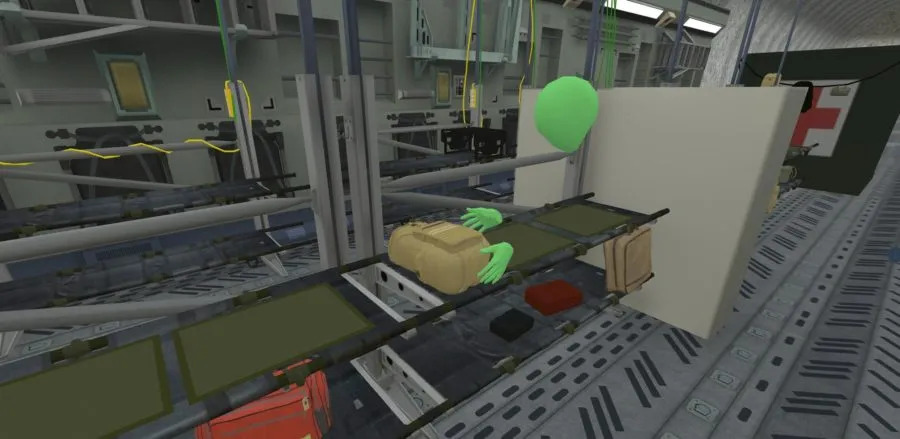
The SimX Virtual Reality Medical Simulation System (VRMSS) is already deployed across the Air Force for use in tactical combat casualty care (TCCC) training. This new project will focus on adapting the current technology to include AE/CCATT-specific training capabilities, such as high-fidelity aircraft environments and medical sets, kits, and outfits. In addition to these foundational capabilities, the project will produce a comprehensive VR scenario-based training curriculum for Air Force personnel. The project will be conducted in collaboration with the Air Mobility Command, with subject matter expertise from the United States Air Force School of Aerospace Medicine.
Maj Sarah Johnson, Deputy Chief of the Medical Modernization Division of Air Mobility Command and Air Force technical point of contact for the effort, stated: “The goal of this project is increased overall medical capability for aeromedical evacuation and CCATT through enhanced training capabilities for the sustainment of readiness. This is critical for ensuring the highest level of medical care for our forces as they prepare for a future of Agile Combat Employment.”
For more information on SimX and its virtual reality medical simulation platform, please visit the company’s website.
Quelle:
Image credit: SimX / U.S. Air Force