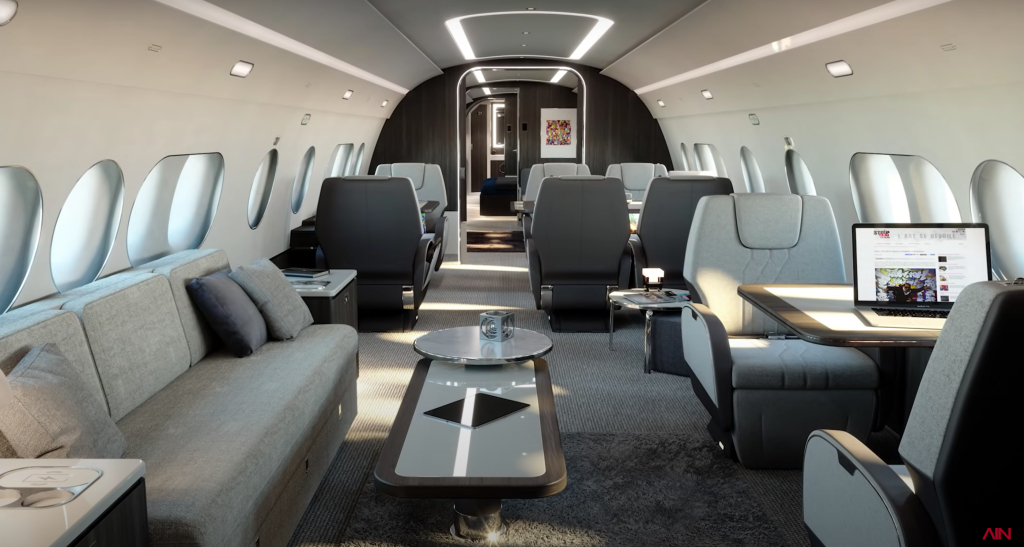
As businesses strive for sustainability, Virtual Reality (VR) is emerging as a crucial tool to reduce the environmental impact of corporate operations. One of the most significant applications of VR is in minimizing the need for business travel, which is not only costly but also a major contributor to carbon emissions.
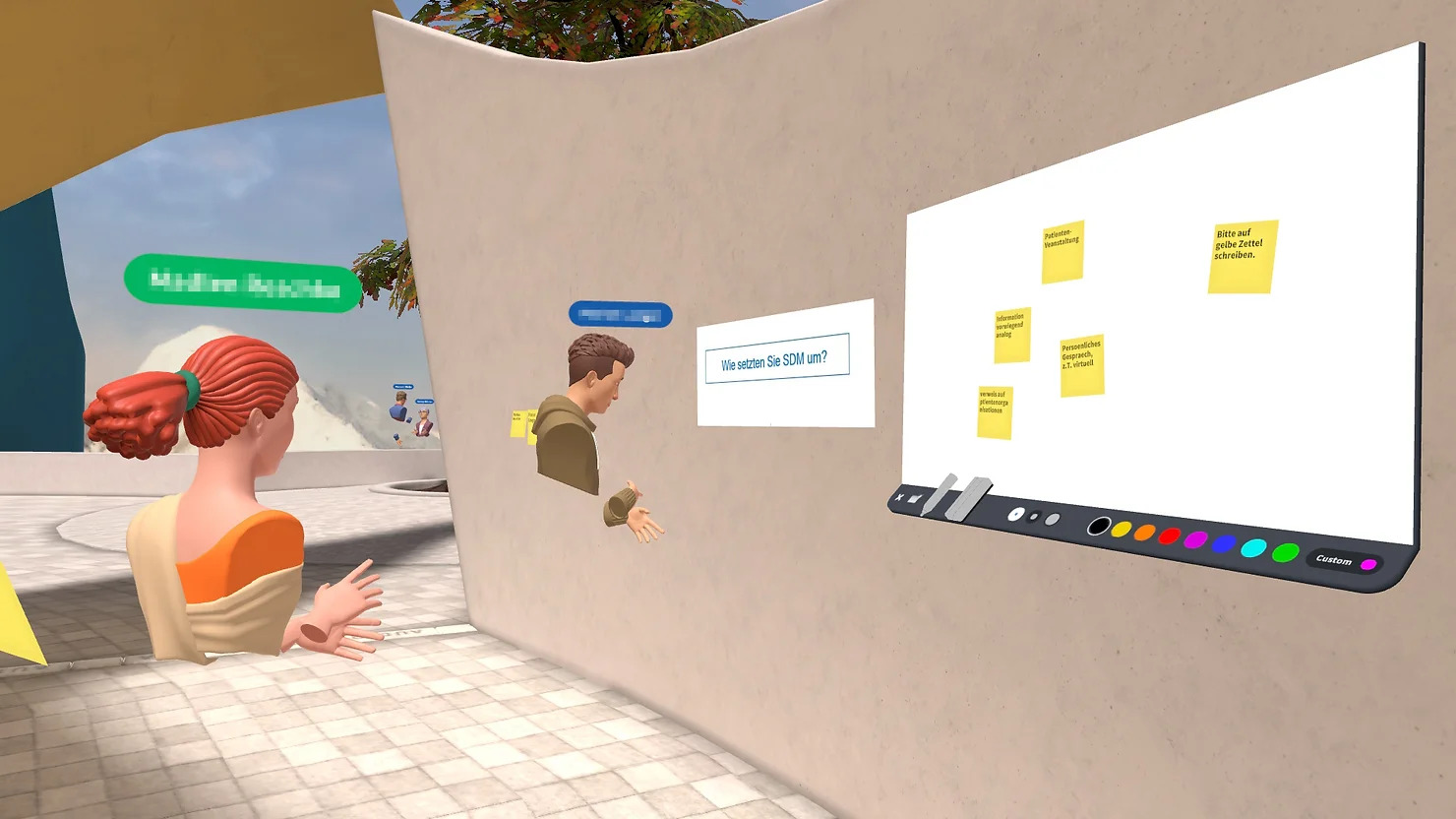
VR technology enables the simulation of real-world experiences, allowing for effective remote collaboration. Through immersive meetings and conferences, stakeholders can interact as if they were physically together without leaving their locations. This shift from physical to virtual meetings drastically cuts down on travel-related carbon footprints, aligning with broader corporate sustainability goals.
Beyond meetings, VR can transform other aspects of business travel. Training and workshops traditionally requiring travel can now be conducted virtually. VR platforms create realistic, interactive environments where employees can learn and practice skills, from safety protocols to operational procedures, without the resource costs associated with travel and accommodations.
Additionally, VR aids in reducing the need for physical office spaces. By facilitating genuine collaboration remotely, companies can adopt more flexible work policies that not only decrease office space requirements but also lower the energy consumption and waste associated with maintaining physical workplaces.
Moreover, VR provides companies with the tools to design and implement more sustainable practices without the logistical challenges of gathering participants from various locations. This capability is invaluable for global companies seeking to standardize sustainability training and practices across international offices without the environmental and financial costs of travel.
In essence, VR is not just transforming how businesses operate; it is revolutionizing their approach to environmental sustainability. By reducing the necessity for business travel, VR helps companies decrease their carbon footprint, promote energy efficiency, and foster a culture of sustainability. As we move towards a more eco-conscious world, VR stands as a key technology driving sustainable business practices.
Quelle:
Foto: Working in Virtual Reality reduces the need to travel