
In the dynamic education landscape, AI and VR are revolutionising traditional assessment methods, offering personalised and immersive learning experiences. After OpenAI’s ChatGPT gained traction in 2022, AI quickly infiltrated classrooms, aiding both students and institutions in various functions. Hybrid learning, once experimental, is now commonplace, with efforts to enhance classrooms for optimal support. Advanced projectors and multiple video screens facilitate seamless interaction between in-person and remote students. Teacher assistants address virtual students’ queries, enhancing the overall learning experience. These advancements underscore the dynamic evolution of educational methodologies to meet the evolving needs of students in an increasingly digital world.
The global scene
In South Korea, an AI-powered smartphone app revolutionizes learning with personalized assessments, offering tailored study recommendations. Singapore’s Language Feedback Assistant automates basic error marking, allowing more time for advanced teaching. Australia introduced a framework for AI use in education, emphasizing critical thinking and creativity while ensuring it complements students’ cognitive abilities during assessments and academic tasks.
The AI advantage
AI, with its capacity for data analysis, pattern recognition, and adaptive learning algorithms, is revolutionizing the assessment landscape by enabling the creation of intelligent systems capable of tailoring assessments to individual student needs. These AI-driven assessment offer real-time feedback, adaptive questioning, and personalised learning pathways that cater to each student’s unique strengths, weaknesses, and learning styles.
One of the most promising applications of AI in assessment is its ability to analyze vast amounts of data to identify patterns and trends in student performance, enabling educators to gain valuable insights into student progress and learning outcomes. By harnessing AI-powered analytics, educators can track student achievement over time, identify areas for improvement, and tailor instruction to address individual learning needs more effectively.
Moreover, AI-driven assessment tools can facilitate formative assessment practices, allowing educators to continuously monitor student progress, diagnose misconceptions, and provide timely intervention and support. Adaptive learning platforms powered by AI algorithms can dynamically adjust the difficulty and content of assessments based on student performance, ensuring that each student receives the appropriate level of challenge and support to maximise learning outcomes.
VR: A step up
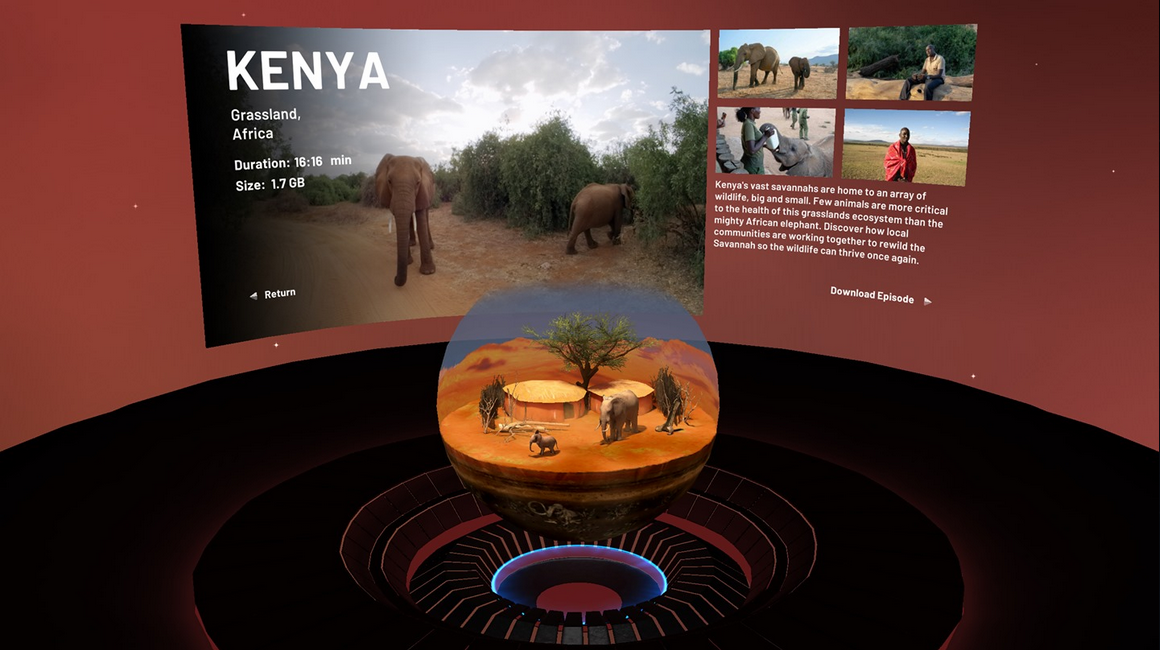
In addition to AI, Virtual Reality (VR) is revolutionising the assessment landscape by offering immersive and interactive experiences that allows students to engage with content in three-dimensional, multisensory environments, providing opportunities for experiential learning and authentic assessment experiences.
Furthermore, VR technology enables educators to assess higher-order thinking skills such as problem-solving, critical thinking, and creativity in ways that are not feasible with traditional assessment methods. Through VR-based scenarios and simulations, students can engage in complex, real-world challenges, make decisions, and experience the consequences of their actions, providing authentic assessments of their ability to apply knowledge and skills in practical contexts.
Final words
The integration of AI and VR in assessment also holds the potential to promote greater equity and inclusion in education by providing more personalized and accessible learning experiences for all students. AI-driven adaptive learning platforms can accommodate diverse learning needs and preferences, offering alternative pathways to mastery and removing barriers to learning for students with disabilities or language barriers.
Despite the tremendous potential of AI and VR in transforming assessment practices, several challenges remain to be addressed, including concerns about data privacy, ethical use of technology, and equitable access to resources. Educators must be mindful of these challenges and work collaboratively to develop ethical guidelines, policies, and practices that ensure the responsible and equitable use of AI and VR in education.
Quelle: