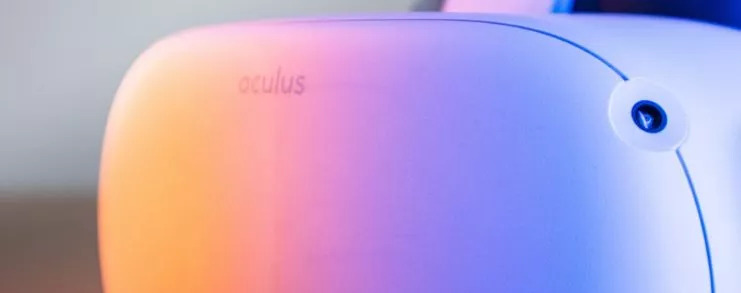
VR is reshaping modern product development and manufacturing by enabling more precise, efficient and safe processes. Beyond the surface-level benefits of prototyping and simulation, VR addresses critical challenges, including mitigating risks like eye injuries during tasks such as laser engraving.
Let’s explore VR’s transformative impact, implementation challenges and value in minimizing workplace hazards.
Revolutionizing Product Development
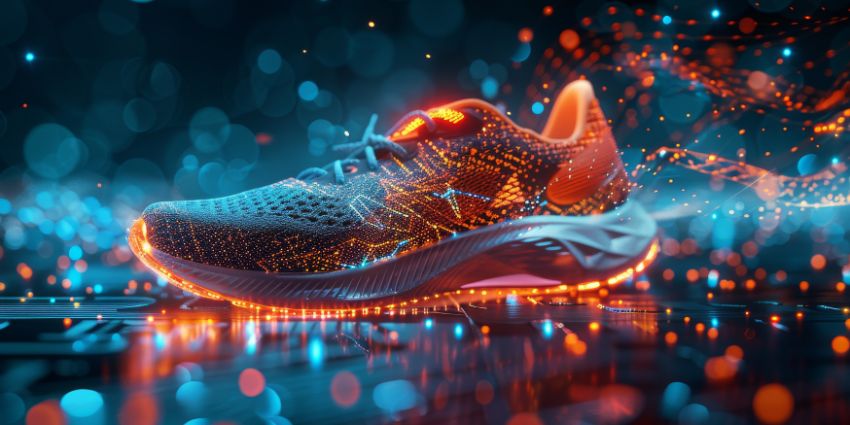
In product design, VR allows teams to create, test and iterate designs in an immersive 3D environment.
Unlike traditional computer-aided design (CAD) tools, VR offers a fully interactive space where designers and engineers can simulate functionality and identify potential flaws before making physical prototypes. This shift reduces development costs and accelerates time-to-market.
Advancing Manufacturing Processes
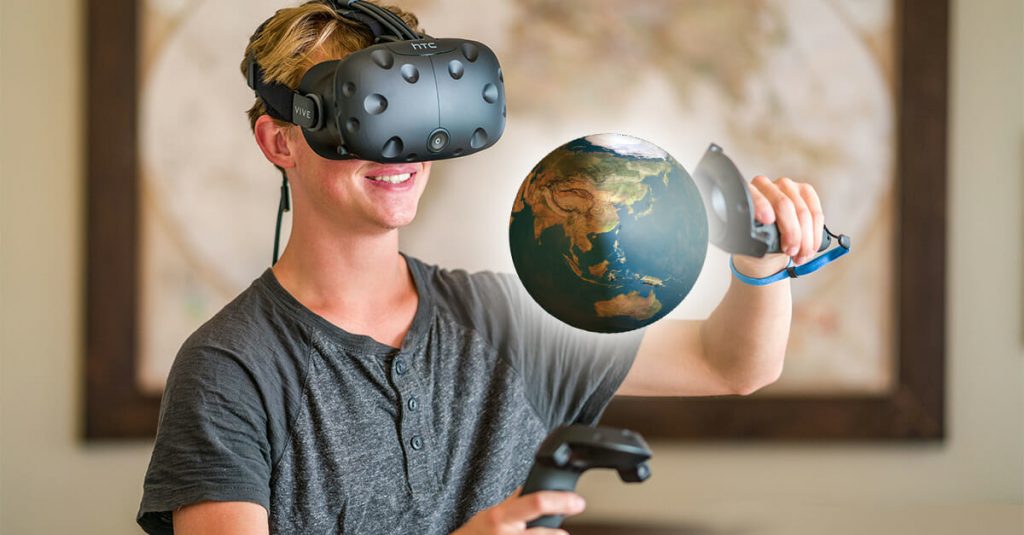
In manufacturing, VR facilitates training, workflow optimization and safety improvements. Workers can practice complex procedures in a risk-free virtual environment, reducing accidents and equipment downtime.
For example, tasks involving high-risk equipment like CNC machines and laser engravers can pose risks of injuries like eye damage and burns without sufficient protection and training. Using a VR environment, workers can learn the complexities of these more demanding systems in a safe, controlled setting. The use of VR for these trainings can encourage decreased production time, medical expenses and workers’ compensation claims.
Additionally, VR integrates seamlessly with digital twin technology, providing real-time insights into production lines and enabling predictive maintenance.
Leveraging VR for Safer Processes
The integration of VR in product development and manufacturing is reshaping safety standards. By enabling workers to simulate dangerous processes in a virtual environment, VR reduces injury rates and enhances efficiency and innovation in design and manufacturing workflows.
In manufacturing, tasks like laser engraving expose workers to significant risks, including eye injuries from high-intensity lasers. VR enables designers and operators to conduct these processes virtually, eliminating exposure to dangerous equipment during the initial design and prototyping phases.
Real-World Application: VR in Construction
A notable example of VR’s impact is Caterpillar, a leader in heavy equipment manufacturing. Caterpillar uses VR-based training programs to prepare workers for hazardous scenarios like road-paving accidents.
These immersive scenarios allow employees to engage with potential dangers in a safe, virtual setting, helping them internalize critical safety practices. The interactive nature of the training has improved both safety awareness and operational efficiency on job sites.
The Future of VR in Product Development and Manufacturing
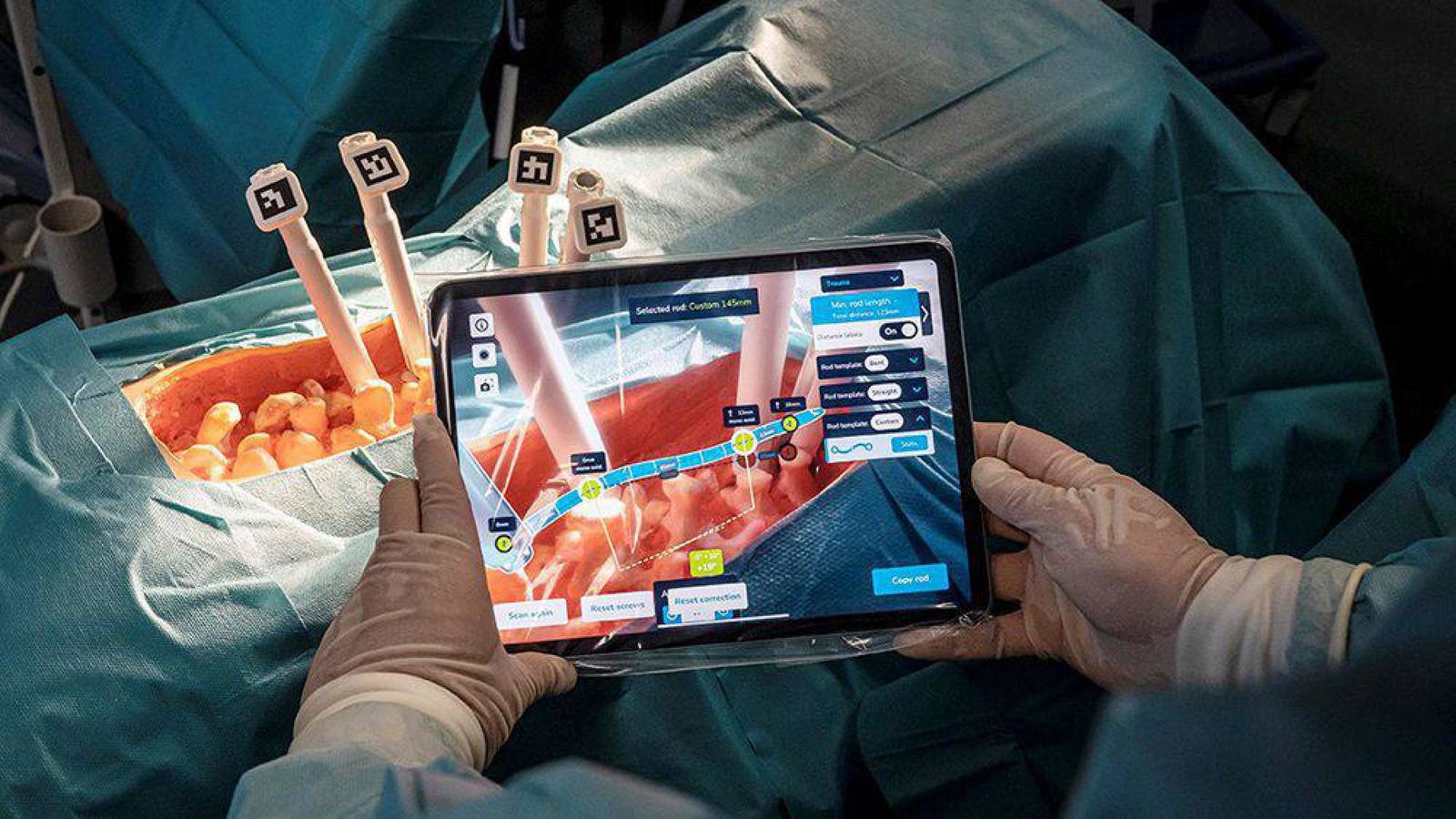
Beyond safety, VR is revolutionizing collaboration and prototyping. Design teams worldwide can interact with 3D models in real time, enabling faster iterations and more precise adjustments.
As hardware becomes more affordable and software advances, VR’s role in manufacturing is also likely to expand. Emerging technologies, such as augmented reality (AR) and mixed reality (MR), complement VR by providing additional layers of information and interaction. These extended reality (XR) solutions will further streamline production processes, improve safety and foster innovation.
Challenges of VR Implementation
While VR offers significant advantages, its adoption comes with hurdles. High initial costs, integration with existing systems and the need for specialized training can deter some organizations. Furthermore, creating accurate virtual environments requires high-quality data and advanced modeling capabilities, which may strain smaller teams or budgets.
Another challenge lies in managing motion sickness and visual strain, which some users experience during extended VR sessions. Developers must design systems that prioritize user comfort and ensure that VR is a sustainable tool in long-term workflows.
Embracing VR for a Safer and Smarter Future
Integrating VR in product development and manufacturing is more than a technological advancement — it is a paradigm shift toward safer and smarter workflows.
By reducing risks, improving efficiency and fostering innovation, VR is paving the way for a future where safety and productivity go hand in hand. The rewards for organizations willing to invest in this technology are clear — enhanced worker safety, better product quality and a competitive edge in an evolving marketplace.
Quelle: