Virtual reality (VR) is being used more and more in healthcare. VR-based CPR training, however, remains inferior to face-to-face training, according to new research published in JAMA Cardiology. The findings were also shared at the American Heart Association’s Scientific Sessions 2019 in Philadelphia.
The study’s authors focused on Lifesaver VR, “an innovative, immersive and interactive educational smartphone app” endorsed by the UK’s Resuscitation Council, for their research. A randomized clinical trial was conducted to compare the performance of Lifesaver VR and face-to-face training.
“Experts in the field consider VR as one of the most promising tools in medical training in general and CPR training in particular,” wrote Joris Nas, MD, department of cardiology at Rosebud University Medical Center in the Netherlands, and colleagues. “VR training through the app can be performed at home at a low cost at any moment and takes approximately 20 minutes to complete. VR training may therefore overcome important barriers for layperson CPR training.”
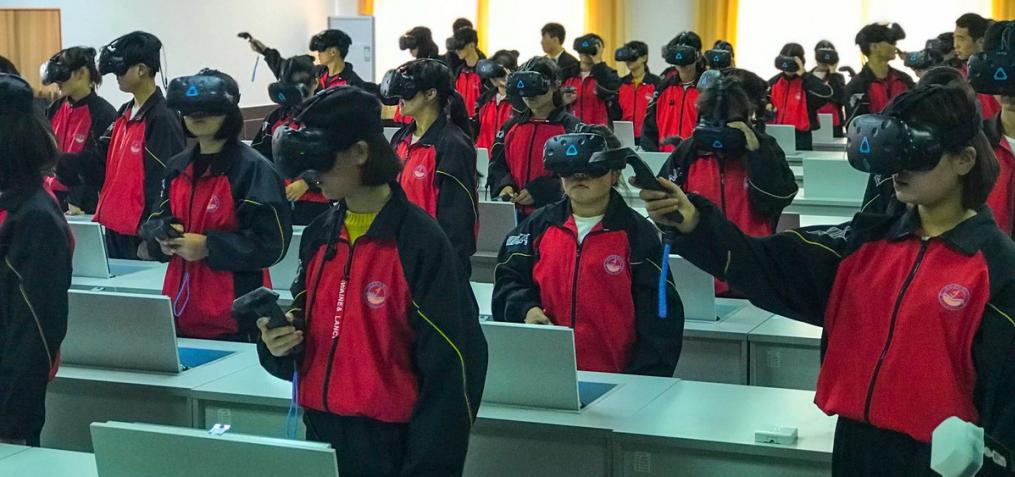
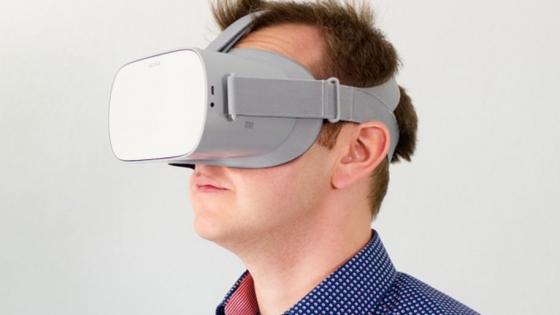
In August 2019, 352 individuals attending a music festival in the Netherlands were chosen as participants. All participants were adults and did not have elevated alcohol levels. Fifty-seven percent were women, and the median age was 26 years old. While 191 participants went through a standardized 20-minute training session with “an independent, experienced instructor certified by the Dutch Resuscitation Council,” the other 161 participants wore VR goggles for “a filmed CPR scenario” that also took approximately 20 minutes.
The VR app was inferior to face-to-face training when it came to chest compression depth, though the chest compression rate was “comparable.” The VR group also had lower overall CPR performance scores, but their “proportion of compressions with full release” was higher.
“Our results show that VR training results in noninferior chest compression rate but inferior compression depth,” the authors wrote. “This indicates that VR seems less suitable than face-to-face training to provide adequate bystander CPR.”
The team did note that participants were young and “highly educated,” meaning the results may not necessarily line up with how a different group may have performed. Still, they wrote, their findings confirmed that quick face-to-face training is adequate for learning CPR and provided helpful data on the effectiveness of VR training.
“Although VR training may hold the potential to reach a larger target population, further development is needed to achieve the chest compression depth and overall CPR skills acquired by face-to-face training,” Nas et al. concluded.
Quelle:
https://www.aiin.healthcare/topics/healthcare-innovation/vr-cpr-training-virtual-reality-healthcare