Injecting an anaesthetic to prepare a sobbing five-year-old patient for a tooth extraction in a pediatric clinic is an anxiety-inducing scenario for many dental students. A French study sought to determine whether dental students’ emotions during training simulations with high-tech mannequins were comparable to those experienced in real-life clinical practice.
The study, conducted at the University of Strasbourg during the 2019–2020 academic year, focused on fifth-year dental students. Participants engaged in a simulation involving the extraction of a first primary molar from a five-year-old child who had previously received antibiotic therapy—a common scenario in pediatric dentistry.
To assess students’ emotions, the researchers collected data from self-administered questionnaires immediately following each dental extraction, both in the simulation and in clinical practice within the university’s Department of Pediatric Dentistry.
“The emotions experienced in the simulation were similar to those experienced by students during clinical practice,” the study stated. “No significant differences were reported between simulation and clinical practice,” it added.
Difficult children stressed all students
Overall, students frequently lost their composure when dealing with difficult children. “The students reported being more stressed and having difficulty communicating with younger patients. They acknowledged that their emotions could sometimes influence their care of the patient.”
The findings were based on self-assessments completed immediately after each procedure, both in simulations and in the clinic. These assessments measured emotions such as stress, self-confidence, and satisfaction.
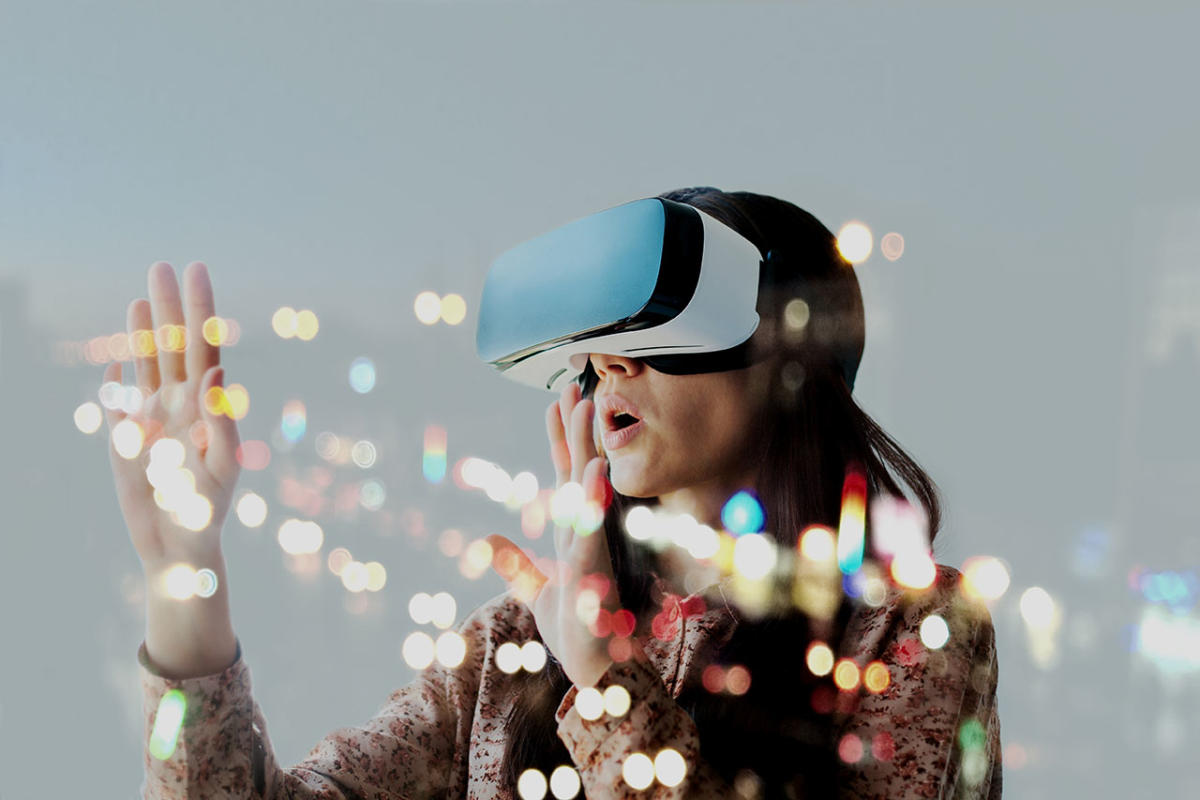
The study is significant as more universities adopt simulations to train dental students. For example, New York University’s College of Dentistry offers virtual reality (VR) modules to help students practice anaesthesia injections. Similarly, the University of Florida has launched an AI-powered simulation program that uses avatars and VR to train dentists and nurse practitioners.
According to Dr. Thomas Nguyen, DMD, MSc, Diplomate of ABP, FRCD(C), VR enhanced by AI is expected to transform dental education and training. It is one of the major AI trends poised to impact the field further.
Quelle:
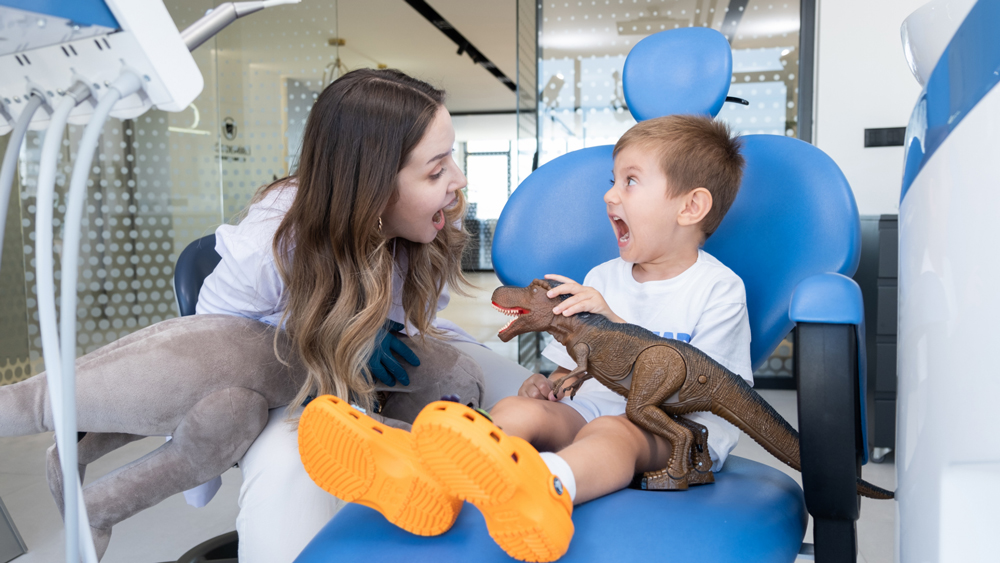
Foto: The study’s findings were based on self-assessments completed immediately after each procedure, both in simulations and in the clinic. (iStock)