Extended Reality (XR) is revolutionizing the way companies visualize design data, offering a variety of benefits that streamline processes and enhance collaboration.
By leveraging XR, businesses can significantly reduce their reliance on physical prototypes, which are often costly and time consuming for global teams to travel to review together. XR facilitates seamless collaboration among stakeholders in different locations, making it easier to involve key decision-makers throughout the design process. Plus, out-of-the box XR experiences (such as collaborative design reviews, factory layout planning, training guides, and visualization tools) provide solutions that are accessible even to non-CAD users.
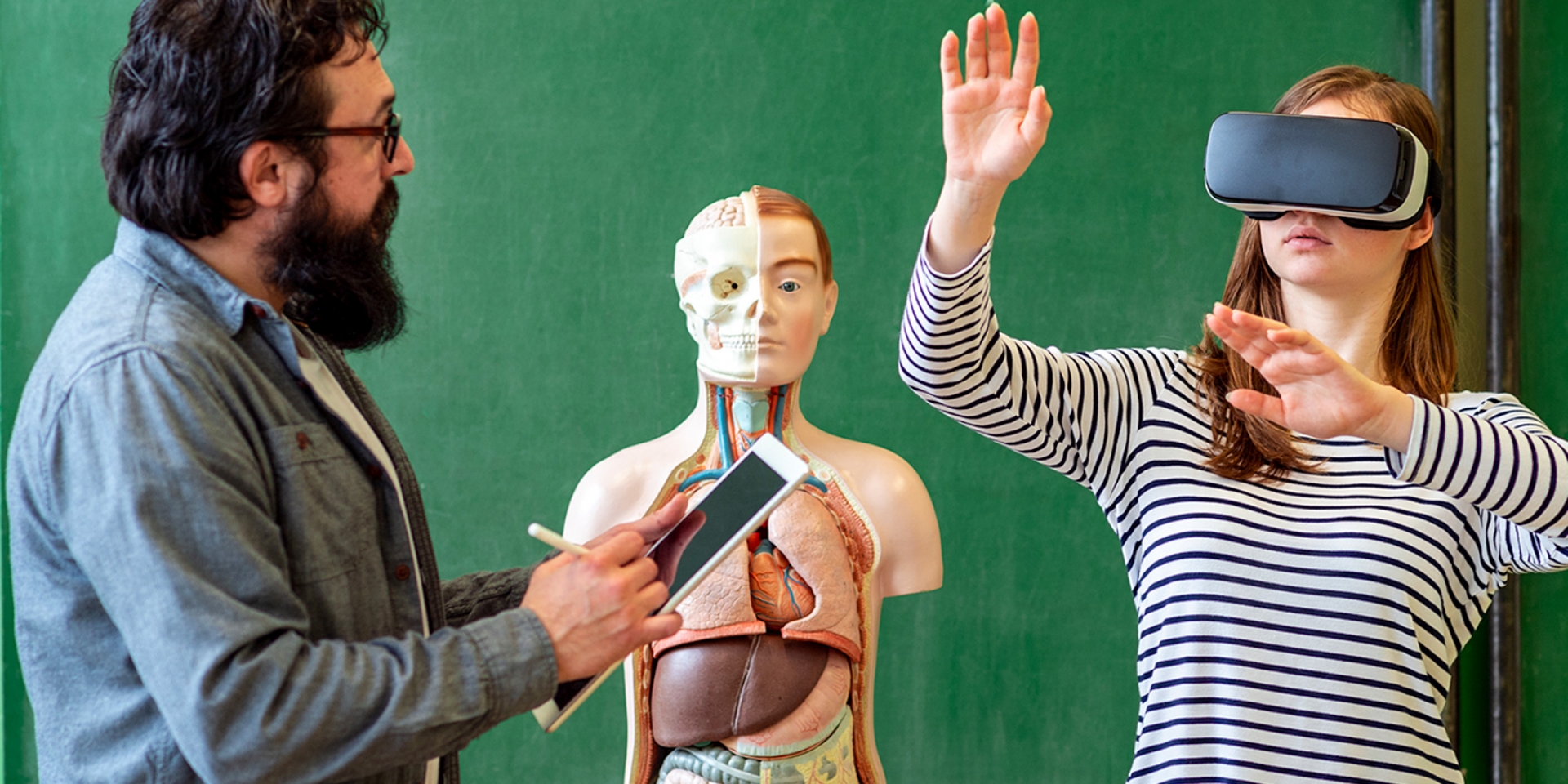
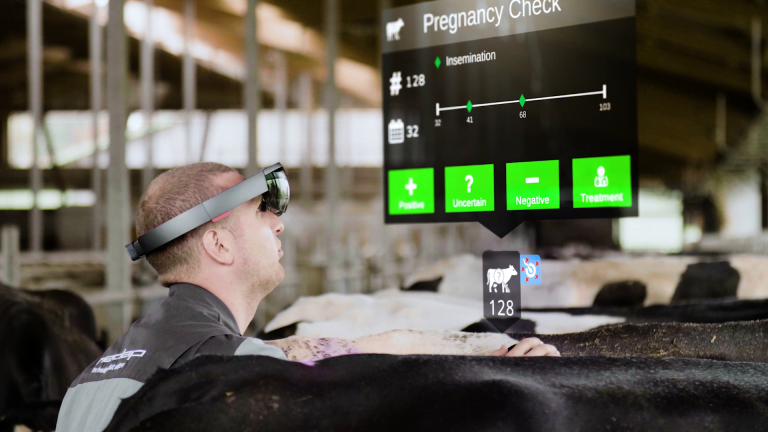
Despite its numerous advantages, the adoption of XR can pose certain challenges for businesses. Although more affordable devices will be developed as the technology becomes more popular, currently the initial investment cost is still a major hurdle. However, with solutions like TheoremXR, companies can future-proof their XR strategies and maximize their hardware investments. With device-agnostic compatibility, TheoremXR users can visualize data seamlessly across multiple different devices, including handheld devices such as smartphones and tablets in Augmented Reality (AR), along with Mixed Reality (MR) and Virtual Reality (VR) headsets.
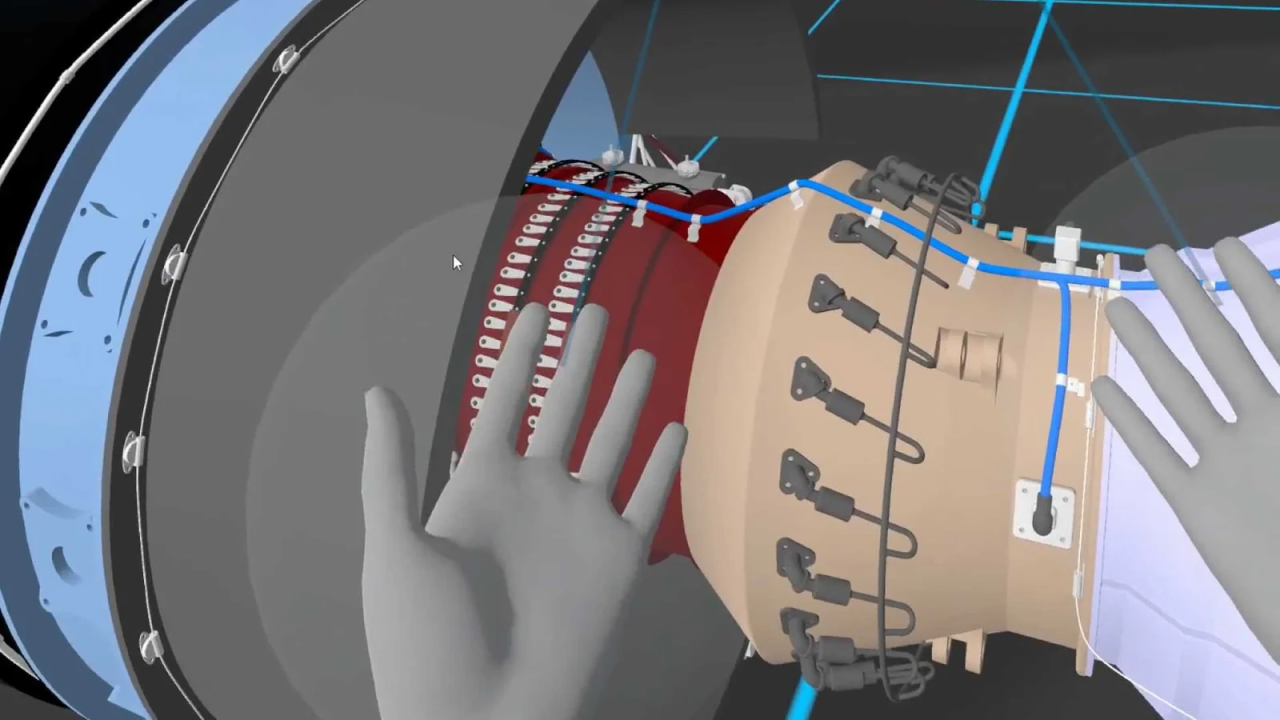
Another common obstacle encountered by companies is a lack of technical expertise to fully harness the potential of XR. The difficulty often lies in preparing and optimizing design data for XR applications. Fortunately, TheoremXR’s Visualization Pipeline addresses this challenge head-on by providing a simple, automated process for importing 3D data into XR environments. This simplifies the data preparation process for custom applications built using platforms like Unity and Unreal Engine. By ensuring that 3D assets are ready for deployment, TheoremXR streamlines the development workflow, allowing companies to focus on creating immersive experiences without getting bogged down by technical complexities.
TheoremXR serves as a catalyst for XR adoption and strategy implementation by offering device-agnostic systems and simplified data preparation and optimization tools. By making XR more accessible to a wide range of teams within organizations, TheoremXR unlocks the full potential of XR technology, enabling businesses to harness its incredible collaboration and visualization capabilities to drive innovation and success.
Interested in Extended Reality for your business? Request a TheoremXR demonstration today, and be sure to subscribe to the 3D Focus newsletter to continue learning about how to get more from your CAD data. In the next edition we will be continuing to explore the benefits of XR in part two of this series: Unlocking Efficiency in Design and Manufacturing.
Quelle:
https://www.linkedin.com/pulse/revolutionizing-design-data-accessibility-xr-technology-q6f0e/