
Innovations in medical education are leveraging the metaverse to redefine training for future healthcare professionals. Here’s how:
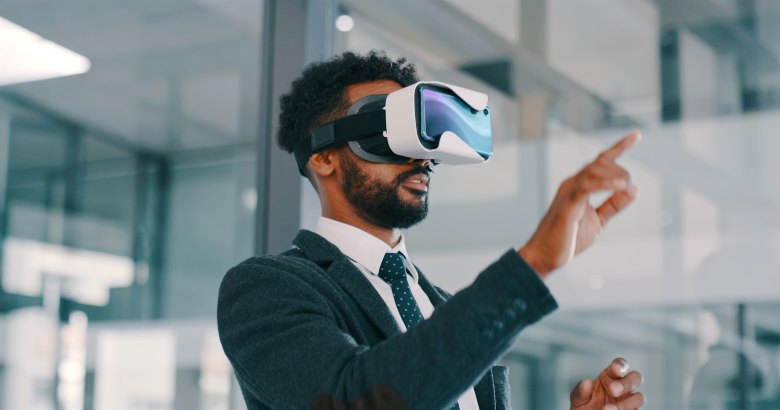
- Immersive Learning Environments: Virtual reality (VR) and augmented reality (AR) technologies create realistic simulations of medical scenarios, allowing students to practice skills in a safe, controlled setting.
- Hands-On Experience: Metaverse simulations enable students to make mistakes and learn from them without risking patient safety, enhancing their practical skills and confidence.
- Personalized Learning: Customizable modules cater to individual learning styles and skill levels, empowering students to progress at their own pace and focus on areas of improvement.
- Global Collaboration: Virtual platforms facilitate collaboration among students and experts worldwide, fostering diverse perspectives and a sense of community within the medical profession.
By harnessing the metaverse’s capabilities, medical education is undergoing a transformative shift, preparing students more effectively for the challenges of real-world healthcare practice.
Sapizon, a pioneer in immersive technology solutions, offers tailored VR/AR platforms for enriched medical education experiences. With customizable simulations and expert support, Sapizon empowers future healthcare professionals worldwide.
Quelle: