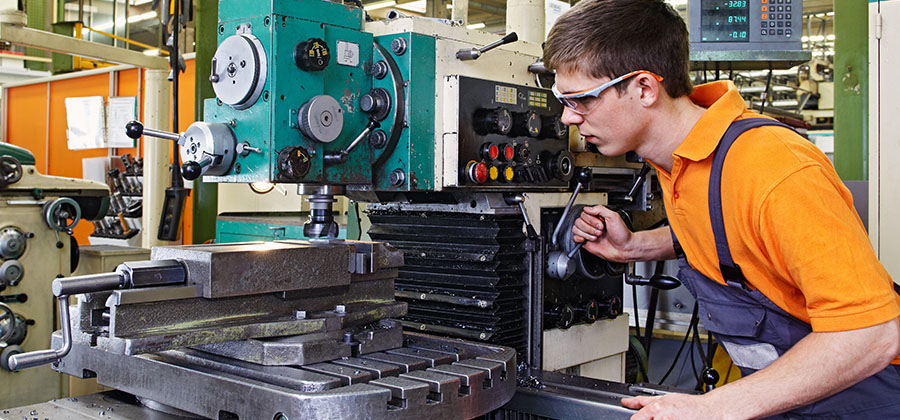
Nearly one quarter of the American workforce is estimated to be approaching retirement in the next few years. Businesses that require complex physical tasks and workflows, like manufacturing, need to take an innovative approach to training new workers to avoid losing a step. Failure to do so could lead to lower outputs, poorly made products, and negative brand connotations.
Many manufacturers are turning to mixed and augmented reality (AR) as a solution. With AR, industrial businesses can train new workers more effectively, at a fraction of the cost of traditional intensive training programs. Here are three ways that AR can improve skill adoption for new technicians.
Immersive off-site training
In manufacturing, new workers typically undergo significant classroom-like training before they reach a potentially hazardous production environment. This can be a strain on company resources and the information absorbed doesn’t always translate perfectly to the factory setting.
By bringing AR into the mix, trainees can experience full-scale digital renditions of the physical products they will soon be surrounded by in the field. The ability for them to interact with these kinds of dynamic and immersive AR experiences presents important training opportunities that lead to higher levels of engagement and retention. Manufacturers using AR in off-site trainings benefit from fewer repeat training sessions and faster ramp up times for new employees.
Real-time, on-the-job training
Training doesn’t end when workers complete their off-site program. Applying AR experiences to additional on-the-job training can help to improve skill adoption as well. New technicians equipped with a wearable headset or mobile device can overlay digital step-by-step instructions onto a physical product to quickly and accurately guide themselves through complicated workflows. Real-time, hands-on training means no second is wasted and that workers are productive while they ramp up.
On-the-job AR experiences are especially useful to seasonal and temporary workers because they allow them to contribute instantly to the workforce. AR solutions that allow users to “phone a friend” offer workers a quick way to get remote, over-the-shoulder expert guidance when specific workflows or instructions need further clarification.
Enhanced training workflows
AR authoring solutions give manufacturers more flexibility in their training offerings—particularly the ability to incorporate a variety of new and existing content into training workflows. By combining and contextualizing 3D models, CAD drawings, instructional videos, step-by-step instructions, and other digital documents into one singular AR experience, workers can more efficiently absorb and retain information. New technicians that complete AR trainings have proven to retain critical information better, meaning that manufacturers see faster returns on their employee investments, as well as a safer workplace.
Learn more
Download this complementary infographic to learn about how manufacturers can use AR to increase throughput, lower the cost of operations, and bridge the impending skills gap.
Quelle:
https://www.ptc.com/en/thingworx-blog/3-ways-ar-can-improve-new-technician-skill-adoption