In Part 1 of our ‚Benefits of XR‘ series, we explored how XR technology is making design data more accessible with innovative visualization capabilities. Alongside this, Extended Reality (XR) offers a plethora of tools that can enhance efficiency in design and manufacturing processes. Whether it’s immersive training or collaborative design reviews, XR opens up a world of possibilities.
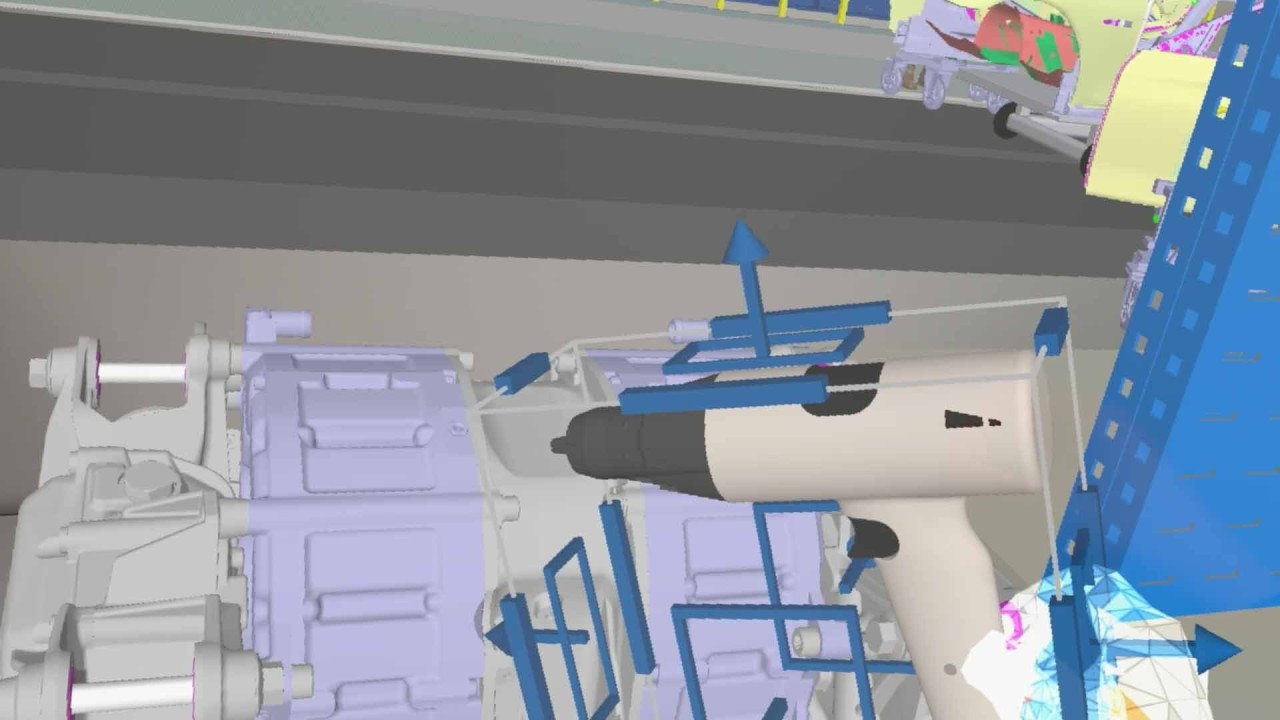
One of the most significant advantages of XR is early error detection in the design process. With XR, you can gain a comprehensive understanding of the design, with the ability to see CAD data in detail, scale models, isolate parts, and more. This enables you to identify and address issues swiftly during design reviews or when planning factory layouts.
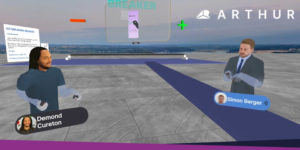
Since XR enables immersive digital reviews, design changes can be evaluated without waiting for prototypes to be created. This is especially valuable in design processes that require a new protype to be built for each significant design change. As a result, XR can considerably accelerate the review process while also enabling collaboration from anywhere.
When it comes to optimizing workspaces like factories, XR offers a game-changing solution – providing an accurate depiction of facilities without the need for traditional 2D drawings. Users can swiftly visualize multiple layout options, speeding up the optimization process significantly. Additionally, XR can be leveraged to detect potential collisions and analyze human factors using virtual mannequins, allowing users to optimize layouts, thus reducing the likelihood of costly redesigns later in the process. Scan data can also be brought into an XR environment to improve factory planning, providing users with an accurate scan of an environment for them to build in and review in XR.
You can also use XR to make your training sessions more efficient. Along with enhancing understanding with its visualization capabilities, users often learn more effectively when repeating training in Virtual and Mixed Reality. Plus, XR is particularly useful when teaching workers how to use machinery that is expensive to shut down for training purposes, since users can initially be taught in XR
By harnessing XR to visualize 3D data, companies can create more efficient processes. These visualization capabilities of XR allow designs to be examined in detail much earlier than they otherwise could be. This, along with enabling designs to be viewed in context, means that errors are detected quicker, and informed decisions can be made earlier.
What to learn more about how to extended the value of your CAD data? Make sure to subscribe to the 3D Focus newsletter! In the next edition, we will be continuing this series with The Benefits of XR (Part 3): Enhancing Intelligent Communication, so be sure not to miss it.
Quelle:
https://www.linkedin.com/pulse/benefits-xr-part-2-unlocking-efficiency-design-manufacturing-gnrie/