Whether enterprises were ready or not, COVID made digital transformation a strategic imperative. More than a year out from the start of the pandemic (close to 18 months for some parts of the world), we have a better understanding of the role of AR/VR/MR/XR, AI, ML, cloud, and other technologies in adapting to our new realities—virtual and otherwise.
Immersive Technology
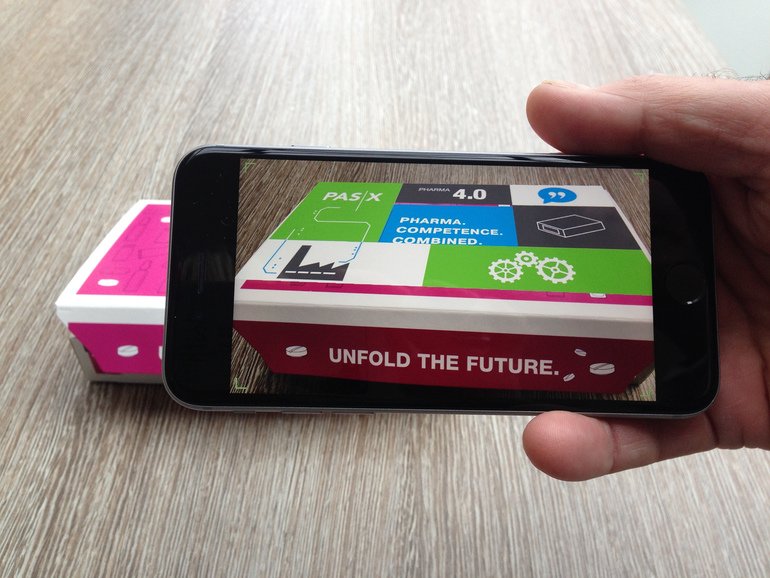
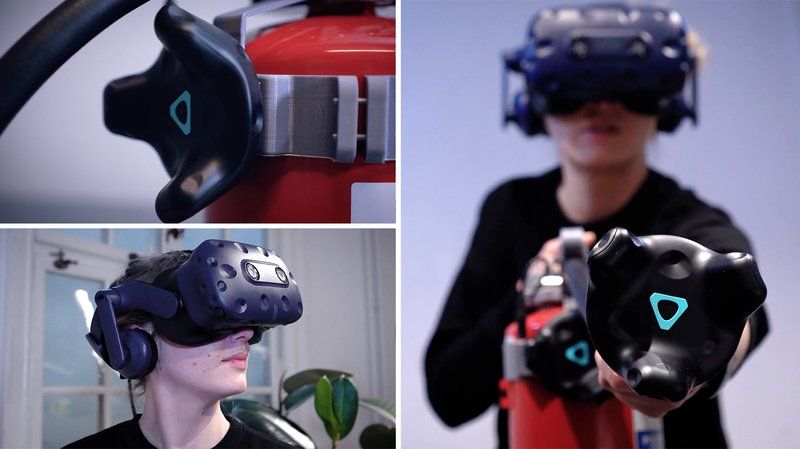
Immersive technology in its various forms (AR/VR/MR/XR) is helping enterprises and oil and gas companies collaborate and manage assets from afar. Digital twins are helping with equipment maintenance and repair, AR is revolutionizing field service, and VR keeps workers safe during hazardous (including COVID-related) training.
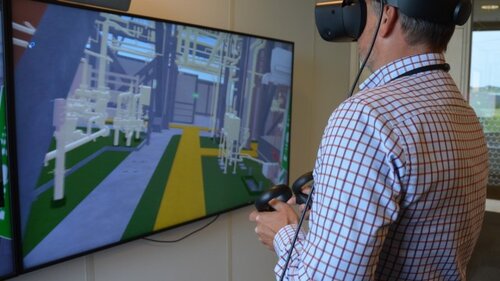
Oil and gas firm Neptune Energy has successfully completed a pilot that allows offshore workers to use innovative VR technology to interact with an “ultra-realistic” 3D model of Neptune Energy’s Gjøa platform in the Norwegian North Sea.
VR in oil and gas reduces the need for offshore travel, lowers operational costs and associated emissions, and supports safe operations.
Egil Thomas Andersen, account director at PaleBlue, the developer of the technology, said: “The restrictions and all the consequences of Covid-19 have introduced challenges to operations for many companies. By doing the familiarization training in a virtual world, even from home, companies can overcome travel restrictions; save time, costs, and emissions; and will be 100% prepared with crucial knowledge of the facility when they physically arrive offshore.”
Cloud Computing and Data Science
The cloud is helping power many of the immersive technologies and allows remote work to happen in a more streamlined way. Energy giants like BP, Shell, and Equinor are all accelerating their cloud programs, while Chevron is set to go cloud-only this year.
Massive amounts of data are being collected, stored, and analyzed in the cloud, making AR more scalable and visual data collected by drones more useful.
AI and ML
AI and other data-driven technologies are being adopted quickly as enterprises digitalize. They can be found on the factory floor, on offshore assets, in the oil wells, and just about everywhere.
ENEL, an Italian multinational energy company, recently developed a semi-autonomous plant using digital twin technologies. This enabled them to transition 30,000 of their workers in Italy to a remote working model literally overnight. That’s a dream transformation in the age of COVID.
Robotic Automation
The pandemic was also really good for robots. With travel, social distancing, and PPE requirements, enterprises have further adopted robots to help with everything from factory floor automation to sanitization and safety efforts.
Here to Stay
COVID-19 disrupted workforce routines, supply chains, essential maintenance, and parts movement, and more. Enterprises had to adapt, and fast. In fact, the pandemic is estimated to have fast-forwarded the digital transition of the industrial sector by around five years.
In those terms, maybe time travel really is possible.
Quelle:
Foto: Digit
https://innovateenergynow.com/resources/pandemic-nudged-enterprise-digitalization-forward