
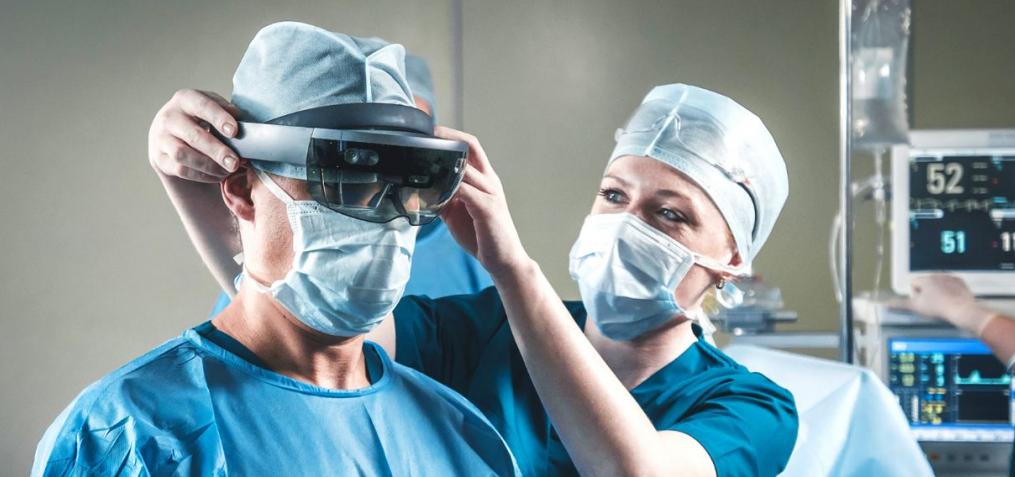
Virtual reality has become an increasingly important component of medical education. GIBLIB, the streaming media platform offering the largest library of on-demand medical lectures and surgical videos in 4K and 360-degree virtual reality, has launched the first VR app offering an immersive operating room experience to enhance surgical education.
The app supports GIBLIB’s direct-to-consumer offering, which requires consumers only have a subscription to the company’s streaming media service and an Oculus Go headset or Oculus Rift System. GIBLIB partners with academic medical centers, Cedars-Sinai and Stanford Children’s Hospital, to provide engaging and informative content from the best surgeons and physicians in the world, which is now accessible through the VR app that connects to the Oculus Store.
Surgical education is largely determined by OR access in order to learn new and updated procedural techniques from top experts. This helps surgeons continuously provide the best patient care available. Access to ORs with leaders in every specialty is highly limited, involves lengthy scheduling, and requires significant out-of-pocket travel expenses. The GIBLIB VR app is the first technology solution to perfectly emulate a complete OR environment with 360-degree VR content of both filmed and live stream surgeries, which allows medical students and practicing physicians to access the content at any time.
GIBLIB films each video with studio-quality 4K resolution to be both visually descriptive and informative. The company leverages precise camera angles from the surgeon’s point of view and 360 spherical panorama, in addition to intuitive digital overlays, ensuring practicing physicians and surgeons receive the most authentic media-based OR experience. Supporting medical staff in ORs, including nurses and surgical assistants, can also gain important insights into how to best conduct themselves during procedures and use the most up-to-date surgical and robotic equipment.
“The latest surgical techniques and procedural best practices are advancing faster than ever before, and the ability to gain access to educational content that keeps surgeons up-to-date needs to meet demand,” says Brian Conyer, CEO and Co-founder of GIBLIB. “Our goal is to bridge the gap between medical professionals and the knowledge they need in order to enhance their techniques in a way that is universally accessible and retains the authenticity of the learning experience.”
For more information on the GIBLIB streaming media platform and how to download the app, visit www.giblib.com.
Quelle:
https://vrroom.buzz/vr-news/trends/virtual-reality-helps-surgeons-learn-their-craft