The partnership with Labster should offer students valuable lab time.
t’s not always easy for STEM students to find enough lab time to get their work done, which is often essential for their degrees. Whether it’s down to student demand, school budgets or students living far away from their university’s labs, there are a range of obstacles. To that end, Google has teamed up with Labster to open more than 30 virtual reality labs in Daydream to help students get more lab time no matter where they are.
Those studying for the online BS in Biological Sciences at Arizona State started working in the labs earlier this month, with full course credit available. The degree features 30 VR simulations on topics like animal physiology, ecology and molecular biology. The University of Texas at San Antonio, MIT, McMaster University and other schools in Europe and North America will also let students carry out work in VR labs soon.
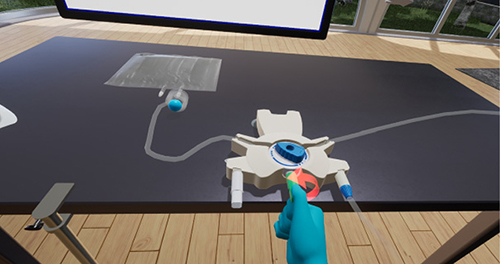
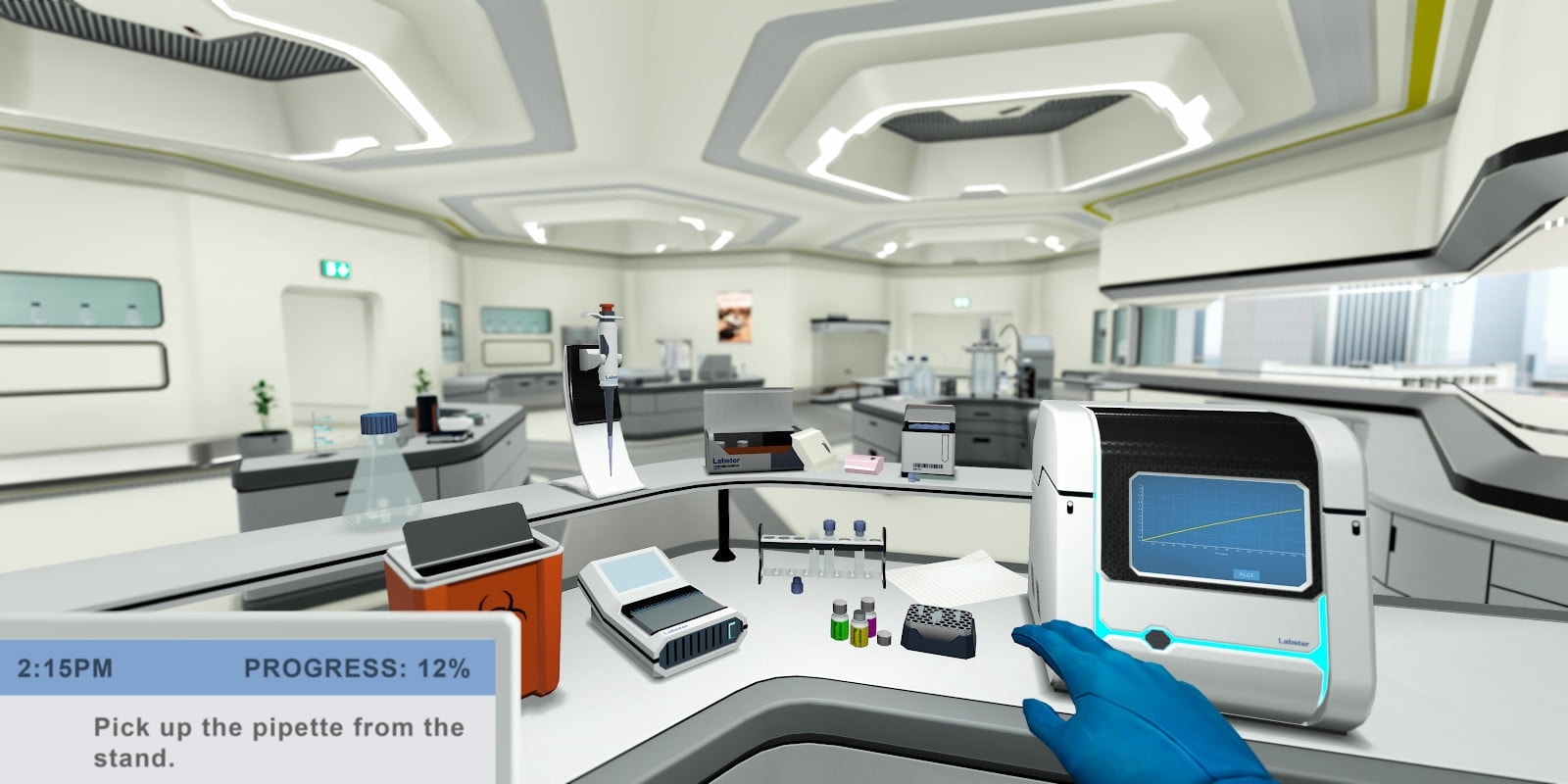
In addition to tasks such as sequencing DNA and viewing organisms with a microscope, Google says the labs allow students to carry out work that isn’t possible in a physical environment. Those include manipulating DNA at the molecular level and visiting an exoplanet that could potentially sustain human life. The labs also let students manipulate time to see the results of experiments faster, or reverse course and go back to correct mistakes and re-run experiments.
Students can explore their theories and techniques as much as they like — there’s no time limit on their use of the labs and no risk of other students shoving their experiments aside to make space for their own work. Feedback is also available to the students directly within the VR app.
Google and Labster hope to make the VR labs available to students everywhere eventually. If you have a Daydream View or Lenovo Mirage Solo headset, you can check out a version of the labs in Labster’s app, though full access is limited to licensees.
Quelle:
https://www.engadget.com/2018/08/23/google-labster-vr-science-labs-daydream-stem-students/?guccounter=1